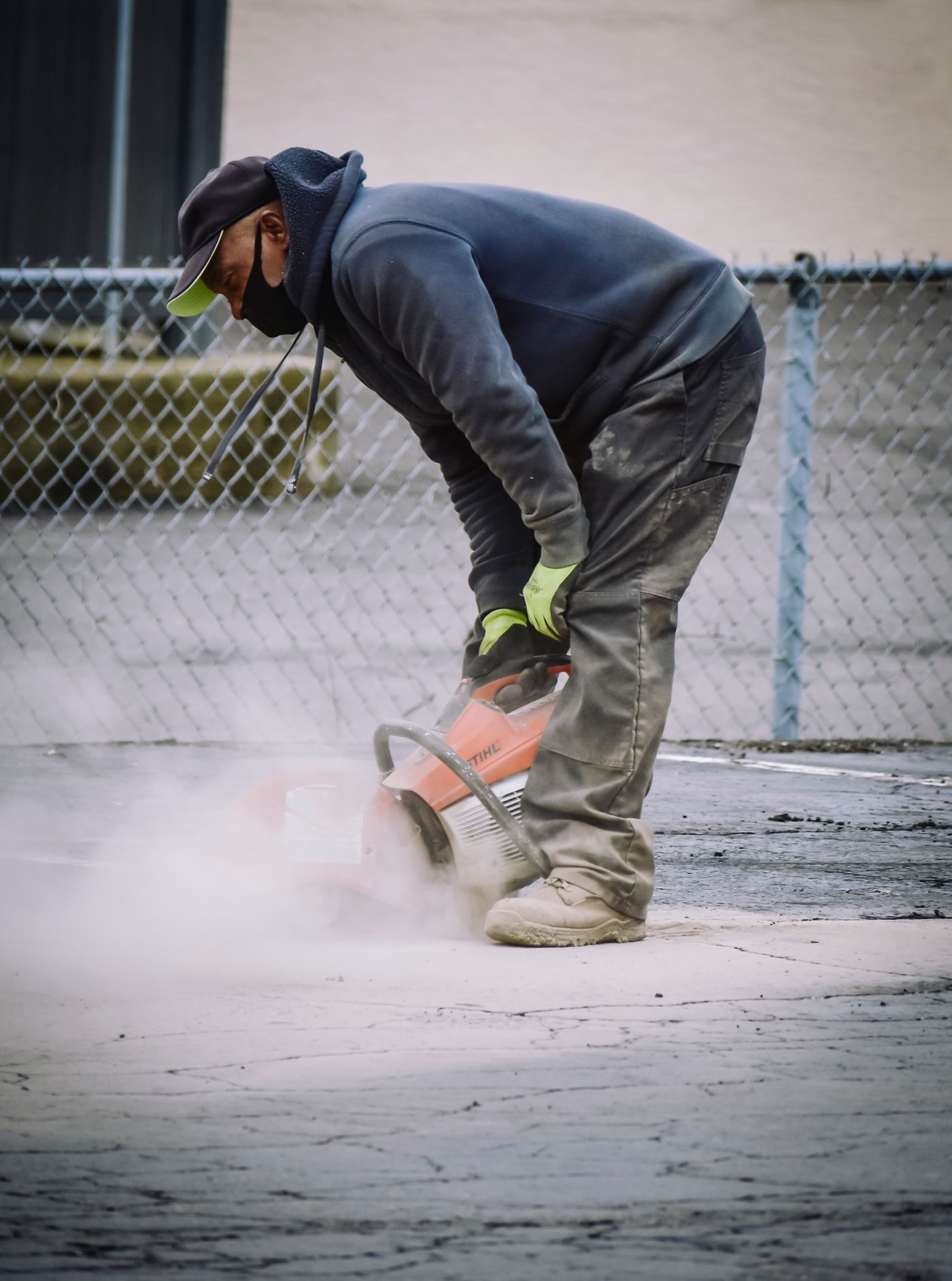
What property owners actually pay in 2026, from a single broken cable splice to a full tendon replacement. Real numbers, real scope, no guesswork.
North Texas clay soil shifts constantly. That movement is the number one reason post-tension cables fail here, and it changes what the repair costs compared to anywhere else in the country.
Why Post-Tension Repair Costs More Than a Standard Slab Fix
Post-tension slabs are engineered systems. The concrete alone does not carry the load. Steel tendons under 30,000 to 50,000 pounds of tension hold everything in compression. When one of those cables breaks or loses anchorage, the whole load path changes, and you cannot just patch the surface.
A standard slab crack repair might mean routing, cleaning, and injecting epoxy or polyurethane. That is a surface fix. A post-tension repair means locating the failed tendon, cutting access into the slab, splicing or replacing the cable, re-stressing it to spec, and grouting everything closed. The material cost is higher. The labor skill level is higher. And the liability exposure means only PTI-certified technicians should touch it.
How a single tendon break is repaired: cut one access window over the failure, splice, re-stress, and grout closed.
In Dallas specifically, North Texas expansive clay soil is the primary driver of cable failure. The clay swells after rain and shrinks during drought, sometimes moving several inches over a single season. That differential movement creates bending forces the tendon anchors were not designed to absorb repeatedly. Once the anchor pocket cracks or the tendon sheath tears, corrosion accelerates fast.
Expansive clay movement in North Texas is among the highest in the U.S., with shrink-swell cycles that can displace slabs by 2 to 4 inches in a single season.
Most Dallas homes built after 1975 use post-tension slab foundations. That means the repair pool is large and contractors with real PT experience are in high demand.
Moisture barriers under slabs degrade over time. Once compromised, hydrostatic pressure from the clay below accelerates anchor corrosion dramatically.
Permit requirements vary by municipality. Dallas proper, Plano, Frisco, and Irving each have different inspection processes that affect scheduling and total cost.
Slab thickness in the DFW area typically runs 4 to 6 inches for residential and 6 to 8 inches for commercial. Thicker slabs mean more concrete cutting and more material to restore.
Reference: PTI Standards
Post-Tensioning Institute design and repair standards govern all tendon work. See post-tensioning.org for published guidelines. The American Concrete Institute also publishes repair specifications at concrete.org.
2026 Pricing Breakdown
What Dallas Property Owners Actually Pay
These are real-world cost ranges based on field work in the Dallas-Fort Worth area. Your final number depends on the specific failure type, access conditions, and scope of slab restoration.
Most Common Repair
Single Broken Cable Splice
$800 to $2,200
A single tendon failure where the cable is still mostly intact is the most straightforward repair. The crew cuts a window into the slab roughly 12 to 18 inches wide, installs a mechanical splice coupler rated for the original tension spec, re-stresses the cable with a hydraulic jack, then fills the pocket with non-shrink grout. Most residential jobs at this scope finish in 2 to 4 hours. The lower end of this range applies to slabs with easy access, no flooring to remove, and a cable location near the slab edge. Costs push toward $2,200 when the break is interior, flooring needs to come up, or the slab is 6 inches thick or more.
Anchor Failure
Dead-End Anchor Repair
$1,500 to $3,500
When the anchor at the slab edge fails, the entire cable loses its clamping force. This happens most at the corners of residential foundations where clay movement is worst. Access is easier here because you are working from the perimeter, but the anchor hardware is custom-sized to the original design and has to match exactly.
Mid-Range Scope
Full Tendon Replacement
$2,500 to $5,500
When the tendon sheath is compromised along its length or the cable has corroded beyond splice viability, the full tendon has to come out and a new one threaded in. This requires cutting multiple access windows along the cable run, de-tensioning the system safely, and re-stressing the new cable in stages.
Largest Scope
Multiple Cable or Commercial Slab Repairs
$4,500 to $8,500+
Commercial post-tension slabs in parking garages, warehouses, and retail centers use higher cable counts at tighter spacings. Repairs here involve engineering review of the tendon layout drawing before any cutting begins. Access is often complicated by equipment, stored inventory, or tenants that cannot vacate. Factor in a structural engineer's consultation fee ($500 to $1,500 typically) as a separate line item on commercial jobs.
Four factors account for most of the variance between the low and high ends of those ranges.
01
Slab Thickness and Reinforcement Layout
Cutting access into a 4-inch slab is meaningfully different from cutting into 8-inch commercial concrete at 4,000 PSI. Thicker slabs take longer to core, produce more debris, and require more grout material to restore. If the tendon layout drawing is unavailable, the crew has to scan for rebar and cables before cutting, which adds 1 to 3 hours to the job.
02
Access Difficulty
A broken cable under an open garage slab is a straightforward job. The same cable under a tiled bathroom with cabinets on top requires demo work, fixture removal, and later tile-matching that can cost as much as the concrete repair itself. Interior kitchen and bathroom locations add $500 to $2,000 or more in restoration costs that are easy to overlook when getting initial quotes.
03
Number of Failed Cables
One broken cable often means neighbors are close behind. Clay movement that snapped one cable has been stressing adjacent ones for the same period. A GPR scan of the slab before finalizing scope saves money compared to returning for a second job two months later. Crews typically discount the per-cable rate when repairing three or more in a single mobilization.
04
Urgency and Scheduling
Emergency mobilization outside normal business hours carries a premium, typically 20 to 40 percent above standard rates. If a cable has blown through the slab surface and is creating a safety hazard, that cost is worth paying. If the situation is discovered early, scheduling during a normal work week holds the price at the lower end of the range.
Does Insurance Cover Post-Tension Repairs?
Most standard homeowners policies in Texas exclude foundation movement and settling. That includes post-tension cable failures caused by normal soil movement, which is the cause in the majority of Dallas cases. The policy language usually reads as an exclusion for "earth movement," and adjusters apply it broadly.
The exceptions where coverage has applied: when a plumbing slab leak is documented as the direct cause of soil erosion that snapped the cable, or when a vehicle impact or other sudden event damaged the tendon. Even then, the coverage claim requires a written structural assessment tying the specific cause to the specific damage.
For commercial properties, contractors' all-risk policies and property insurance policies vary widely. Some cover structural concrete components. Get the policy reviewed by your broker before assuming the repair will be out-of-pocket.
Texas homeowners should also check whether their HOA carries any structural coverage on the slab if they are in a community where the association owns the building shell.
Residential vs. Commercial: A Scope Note
Residential post-tension slabs in Dallas typically use bonded or unbonded monostrand tendons at 5-foot spacings. The repair process is well-standardized. Commercial slabs, especially those designed for forklift loads or rack storage, often use multi-strand tendons at higher jacking forces. Those repairs require the original structural drawings and a licensed engineer to verify the re-stressing load.
Every access window has to be planned around the existing tendon grid to avoid cutting live cables. That planning is not optional. A crew that skips the scan and cuts blind risks severing a tensioned cable under 30,000 pounds of force.
Frequently Asked Questions
Direct answers to what Dallas property owners ask before calling a contractor.
The most obvious sign is a cable end protruding from the slab edge or a popped pocket at the foundation perimeter. That is a failed anchorage. Inside the house, look for floor cracks that run in straight lines parallel to the foundation edge rather than the diagonal patterns typical of settling. Post-tension failures often create a distinct "popping" sound when they let go, sometimes audible inside the building.
Structural concerns that look like foundation settling may actually involve the slab's post-tension system. See our emergency foundation repair resources if you are uncertain whether the issue is the tendon system or foundation movement.
You can repair a single cable, but you should use that job as an opportunity to scan the surrounding tendons with GPR. Clay soil damage does not stop at one cable. Adjacent tendons have been through the same cycles. A scan adds $300 to $600 to the project cost and can identify the next two or three cables that need attention in the next 12 to 24 months, letting you plan ahead rather than face repeated emergency calls. Repairing three cables during one mobilization is typically 20 to 30 percent cheaper per cable than three separate jobs.
In most residential cases, less disruptive. A single cable repair involves one or two saw cuts in the slab, a small amount of jackhammering, and concrete restoration. The grout cure time is typically 24 to 48 hours before foot traffic. Pier and beam foundation repairs by comparison often require tunneling under the house or lifting the structure. The comparison for that scope of work is detailed in the pier and beam underpinning cost in Dallas guide.
In the City of Dallas, structural concrete repair that involves cutting and restoring the slab typically requires a permit and may require a structural engineer's letter of compliance. Neighboring cities like Plano, Garland, and Irving have similar requirements but slightly different submittal processes. Always confirm with the local building department before starting work.
A properly spliced or replaced tendon with a correctly matched anchor and adequate grout coverage should last as long as the original tendon, typically decades. The weak point after repair is not the cable itself but the slab surface restoration and the underlying soil condition. If the clay movement that caused the original failure is not addressed through drainage improvements or moisture barrier maintenance, the next nearest cable is the next candidate. Addressing drainage at the perimeter of a slab after any post-tension repair is not optional, it is the step that determines whether this is a one-time fix or an ongoing pattern.
Ask specifically whether their technicians hold PTI certification or equivalent documented training in post-tension systems. Ask if they will scan the slab before cutting, what grade of splice coupler they use, and what the jacking force spec is for the re-stress. If a contractor cannot answer those questions fluently, they are likely a general concrete crew applying slab-cutting experience to a system that requires specialized knowledge.
Also ask for the warranty terms in writing and confirm whether their insurance covers structural concrete work specifically. General liability does not always extend to structural system repairs.
How to Budget Before You Call
Use the cost table above to establish a realistic range. For a single residential cable, budget $1,500 to $3,000 to cover repair plus any incidental flooring work. For multiple cables or commercial scope, assume $5,000 and up plus engineering fees and permit costs. These are planning numbers, not quotes.
When you call for an estimate, give the contractor the slab age, any visible symptoms, the cable's approximate location (edge vs. interior), and whether the tendon layout drawings are available. That information reduces the estimate window and makes the final quote more accurate.
If there is visible cable protrusion or a sudden floor crack, treat it as time-sensitive. The repair does not get cheaper with delay, and the structural risk increases as adjacent cables absorb the redistributed load.
Related Costs Worth Knowing
Post-tension slab repair exists within a broader set of structural and concrete costs that affect Dallas property owners. If your property also has exterior concrete concerns, the concrete sidewalk repair cost in Dallas guide covers what sidewalk and flatwork repairs run. For properties with retaining walls showing movement, see the retaining wall installation cost in Dallas breakdown.
Clay soil problems rarely stay contained to one system. A property with post-tension cable failures often has related drainage and grading issues. Our landscaping and drainage services in Dallas address the soil moisture management that determines how long a slab repair actually holds.
If a cable has already let go, every day adds load to the adjacent tendons. The repair scope and cost both grow with time. The best move is an accurate assessment now, so you know what you are dealing with and can make an informed decision.
For active failures, cable protrusion, or sudden floor cracking, start with our Dallas post-tension cable repair specialists. For planning-stage questions or commercial scoping, use the contact form below.