
Sinkhole Repair Dallas TX:Mistakes to Avoid
Dallas Blackland Prairie clay shifts, swells, and erodes in ways that swallow slabs, crack foundations, and open voids overnight. Most repair failures happen before any concrete is poured. Here is what goes wrong, and what the right fix actually looks like.
- 24/7Emergency Response
- 4,000PSI Concrete Spec
- DFWMetroplex Service Area

Why Dallas Sinkholes Are Different
Volume change in Vertisol clay between wet and dry seasons in North Texas
Urban Concrete & Construction serves the full Dallas Metroplex. Commercial and residential. Same-day mobilization available.
About Our Team →Dallas sits on Blackland Prairie Vertisol clay - one of the most expansive soil types in North America. This clay absorbs water and swells, then shrinks dramatically during drought. That cycle erodes support from beneath slabs, driveways, and foundations year after year.
North Texas flash floods make the problem worse. Heavy rain over hard dry clay moves fast, cutting channels through subgrade material before it can absorb. Those channels become voids. Voids become sinkholes.
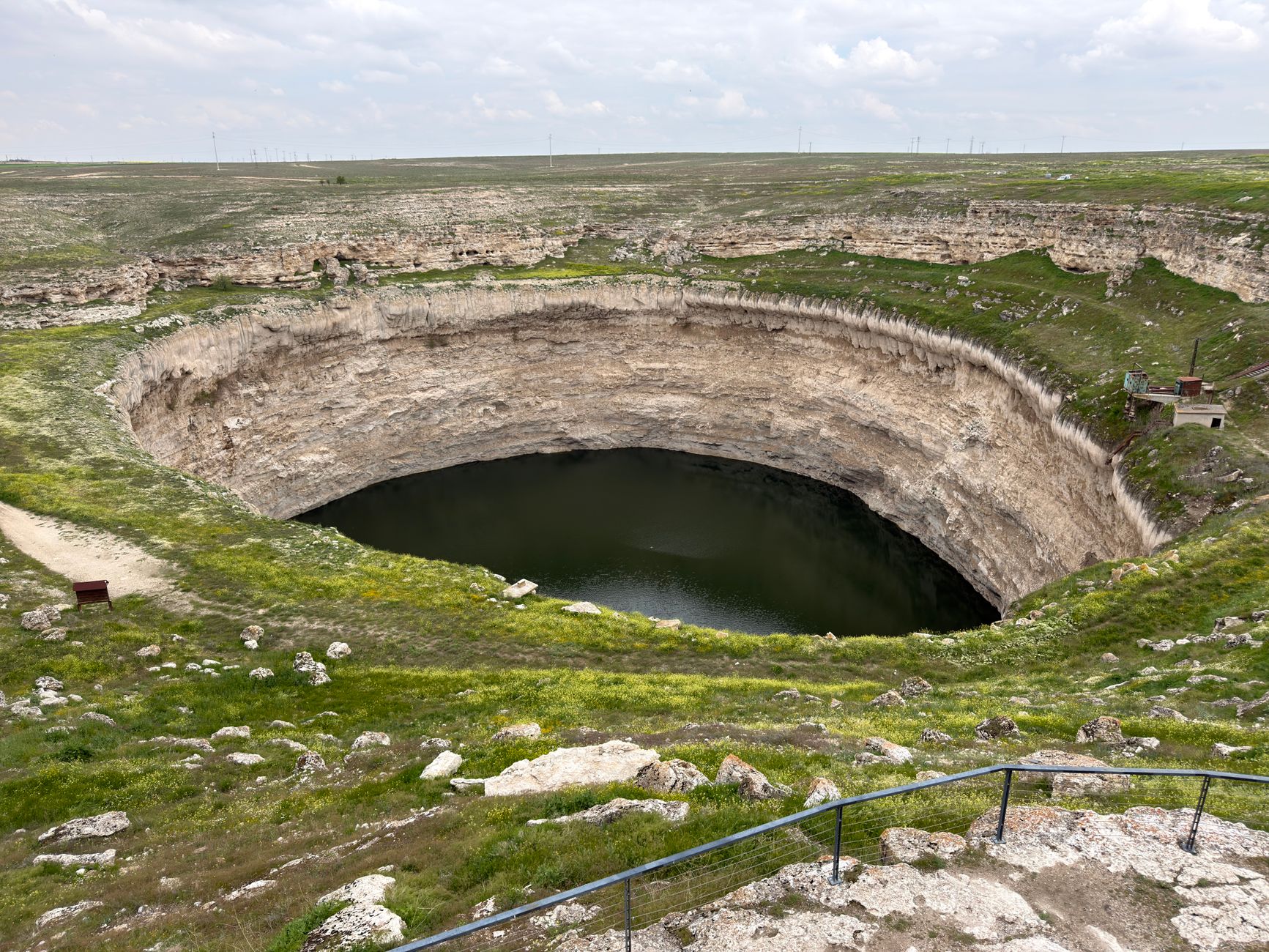
A sinkhole in Dallas rarely looks like a television collapse. More often you see a subtle depression in a driveway, a crack that widens over two or three weeks, or a slab section that sounds hollow when you walk on it. By the time it looks dramatic, the void is already substantial.
What actually happens underground:
Vertisol clay dries out, pulling away from slab edges and utility conduits
Water channels through the gap during the next rain event
Fine soil particles wash into drainage lines or deeper strata
A cavity forms, transferring slab load to unsupported edges
The slab cracks or settles unevenly - sometimes suddenly
For a deeper look at how Blackland Prairie soil behaves under structures, the Blackland Prairie soil foundation repair guide covers the geotechnical specifics in detail. The USDA Natural Resources Conservation Service also maintains data on shrink-swell soil classifications across Texas counties.
Depressions, hollow sounds, and widening cracks all mean the void is already growing. Early detection changes the cost and complexity of repair significantly.
What Goes Wrong With Sinkhole Repairs
Most failed repairs share the same root causes. Skipping diagnosis, using wrong materials, or ignoring drainage sends property owners back to square one within a year.
- 01
Skipping the Void Assessment
Filling the surface depression without locating the void is the single most common mistake. A patch on top of an unfilled cavity will sink again, usually faster than the original failure. Ground-penetrating radar or probe testing identifies the void boundary before any material is placed.
On commercial sites, we routinely find that the visible surface damage represents only 20 to 30 percent of the actual subsurface void. That ratio is worse on aging utility corridors and near storm drain outfalls.
- 02
Using Standard Fill Dirt or Sand
Loose fill compacts unevenly and continues to settle for months. In North Texas, fill material placed against expansive clay gets displaced during the next wet cycle. We see this constantly on residential driveways where a homeowner or low-bid contractor packed the void with crushed limestone or sand before patching the surface.
The correct material for void filling in Dallas conditions is two-component polyurethane foam, injected at controlled pressure. It reaches areas fill dirt cannot, cures rigid within minutes, and does not erode. The complete guide to polyurethane slab stabilization in Dallas covers injection density, port spacing, and lift calculations.
- 03
Ignoring Post-Tension Cable Systems
A large percentage of Dallas-area slabs built after 1980 are post-tensioned. Cutting or grinding into a post-tension slab without knowing cable location and tension status is a structural emergency waiting to happen. A severed cable releases stored energy instantly and can cause serious injury.
Before any core drilling or saw cutting near a sinkhole on a post-tension slab, cable location must be confirmed and live tension must be assessed. If the sinkhole has already compromised a cable zone, that is a separate repair sequence entirely. See our emergency post-tension cable repair service for how that process works.
- 04
Patching Without Addressing Drainage
Every sinkhole has a water source. Roof runoff concentrated at a downspout, negative grade that channels storm water toward a structure, or a cracked utility line all feed subsurface erosion. A repair that does not fix the water path will fail.
On residential sites we frequently correct grade and add French drain segments as part of the same mobilization. On commercial sites, the drainage infrastructure around loading docks and parking fields often needs to be evaluated before patching begins. If erosion under a driveway caused the void, the driveway washout and subgrade repair process includes drainage correction as a standard step.
- 05
Pouring Low-Strength Concrete Over an Active Problem
Repair concrete must meet or exceed 4,000 PSI for structural slab work. Bag mix patching products commonly available at hardware stores typically fall between 2,500 and 3,000 PSI and are designed for non-structural repairs. Using them on a load-bearing slab, a commercial floor, or a driveway with heavy traffic leads to premature cracking and spalling.
Beyond mix strength, the existing slab surface must be properly prepared. Saw cutting clean edges, removing loose substrate to stable material, and applying bonding agent are not optional steps. Feathered edges crack within months.
- 06
Delaying Action on Foundation-Adjacent Voids
When a void is within 10 feet of a foundation, it is a foundation problem, not just a slab problem. Hydrostatic pressure from erosion-driven water movement can undermine footings quickly. In North Texas, the timeline from "small depression near the house" to measurable foundation differential settlement can be weeks, not months.
Foundation-adjacent sinkhole repairs often require underpinning as part of the scope. Deep-drilled piers or steel push piers restore bearing capacity before the surface void is addressed. The emergency foundation repair process in Dallas explains how we sequence that work. For apartment and multi-family sites, the apartment foundation repair cost guide provides realistic budget ranges.
The Correct Repair Sequence
A properly executed Dallas sinkhole repair follows a defined order. Skipping steps or reversing the sequence is how jobs fail.
- 1Diagnose the extent
Probe or GPR scan to map void boundaries and check proximity to foundation elements and utilities.
- 2Identify and stop the water source
Repair leaking lines, correct grade, or redirect drainage before injecting any fill material.
- 3Address foundation bearing if required
Install underpinning piers if the void has compromised footing support. This step cannot come after slab work.
- 4Fill the void with polyurethane
Two-component foam injected through drilled ports. Monitor expansion and pressure to avoid over-lift.
- 5Repair the slab surface
Saw-cut clean edges, prepare substrate, apply bonding agent, pour 4,000 PSI concrete or apply industrial polyurea coating for commercial floors.
Polyurethane injection cures in minutes. Surface concrete needs standard cure time before traffic. A typical residential sinkhole repair including void filling and surface patching is complete in a single day. Complex commercial or foundation-adjacent jobs may require a two-phase approach over consecutive days.
Commercial vs. Residential: Different Risks, Different Standards
Operational Continuity Matters
A sinkhole in a warehouse floor, parking structure, or loading dock is not just a structural issue - it is a liability exposure and an operational shutdown. ADA compliance must be maintained at commercial access points, which affects both the repair method and the surface finish specification.
Industrial floors require industrial polyurea coatings, not standard concrete sealer. These coatings handle forklift traffic, chemical exposure, and thermal cycling that standard finish concrete cannot. Our commercial slab repair service and multi-family and commercial foundation repair processes follow these standards.
The Post-Tensioning Institute (PTI) sets standards for cable systems in commercial slabs. Those standards define minimum cover depths, inspection protocols, and repair methodologies. A contractor unfamiliar with PTI standards has no business cutting into a commercial post-tension slab.
Post-Tensioning Institute (PTI) →Speed Is Critical Near Foundations
Residential sinkhole calls in Dallas most often come from homeowners who noticed a depression in the driveway or a crack pattern in an interior floor. Both can indicate subsurface void formation. The critical question is how far the void extends toward the foundation.
North Texas Blackland Prairie clay does not give much warning. A void that looks stable can expand rapidly after a single heavy rain event. If a sinkhole appears after a storm, same-day assessment is not an overreaction. Waiting a week to get multiple bids is a reasonable approach only if the void is clearly away from structural elements.
Retaining walls near sinkhole-prone areas deserve specific attention. Lateral earth pressure from saturated clay can cause wall face failure when the base support erodes. Our emergency retaining wall repair service handles these situations. For cost context on underpinning, see the pier and beam underpinning cost guide.
The Texas Department of Licensing and Regulation requires foundation repair contractors to be licensed. Verify license status before signing any contract. A full FAQ on concrete repair and permitting in Dallas covers what work requires permits and what to ask any contractor before they start.
North Texas geotechnical conditions are well-documented by the U.S. Geological Survey. Subsidence risk zones in the DFW area correlate directly with known Vertisol clay deposits and areas of historical agricultural irrigation. If your property sits in a high-shrink-swell zone, any surface repair must account for annual soil movement, not just the immediate void.
Frequently Asked Questions
You can fill the surface, but you almost certainly cannot fill the void beneath it without injection equipment. A surface patch over an unfilled void will settle again, often within the first rain season. The repair cost compounds each time.
Two-component structural polyurethane foam used for void filling is hydrophobic and resistant to soil chemicals. It does not compact or erode the way fill dirt does. Properly installed in stable soil conditions, it functions indefinitely as a structural fill.
Cost varies significantly with void size, depth, proximity to foundation elements, and whether underpinning is needed. A small residential driveway sinkhole without foundation involvement is a very different scope than a commercial slab void near a load-bearing wall. Get a site assessment before expecting a firm number.
It depends on the scope. Surface concrete patching of limited area typically does not require a permit. Work involving foundation elements, structural slabs, or utility modifications usually does. The Dallas concrete repair FAQ covers permit thresholds in detail.
Urban Concrete & Construction is available 24/7. For situations with active structural risk, including voids near foundations or sinkholes that have opened at commercial access points, same-day response is standard. Call (214)-225-6288 directly.
Void formation near a retaining wall base undermines the footing that resists lateral earth pressure. That is a time-sensitive structural situation. Wall lean or cracking combined with a nearby depression needs same-day assessment. Our emergency retaining wall repair service handles combined void-and-wall failures.
A Void Under Your Slab Does Not Wait.
Every rain event that reaches an unfilled void removes more soil. If you see a depression, hear hollow sounds underfoot, or notice a crack that appeared after a storm, call us now. We assess the same day and can mobilize repair crews within hours for active structural risk.
Polyurethane injection, GPR assessment, port drilling, pressure-controlled fill.
View Service →Deep-drilled underpinning, steel push piers, foundation leveling, same-day mobilization.
View Service →Warehouse floors, parking structures, ADA compliance, industrial polyurea coatings.
View Service →Subgrade stabilization, drainage correction, 4,000 PSI concrete replacement.
View Service →- 24/7Emergency Availability
- DFWFull Metroplex Coverage
- ✓Licensed & Insured